By Naz Sabir
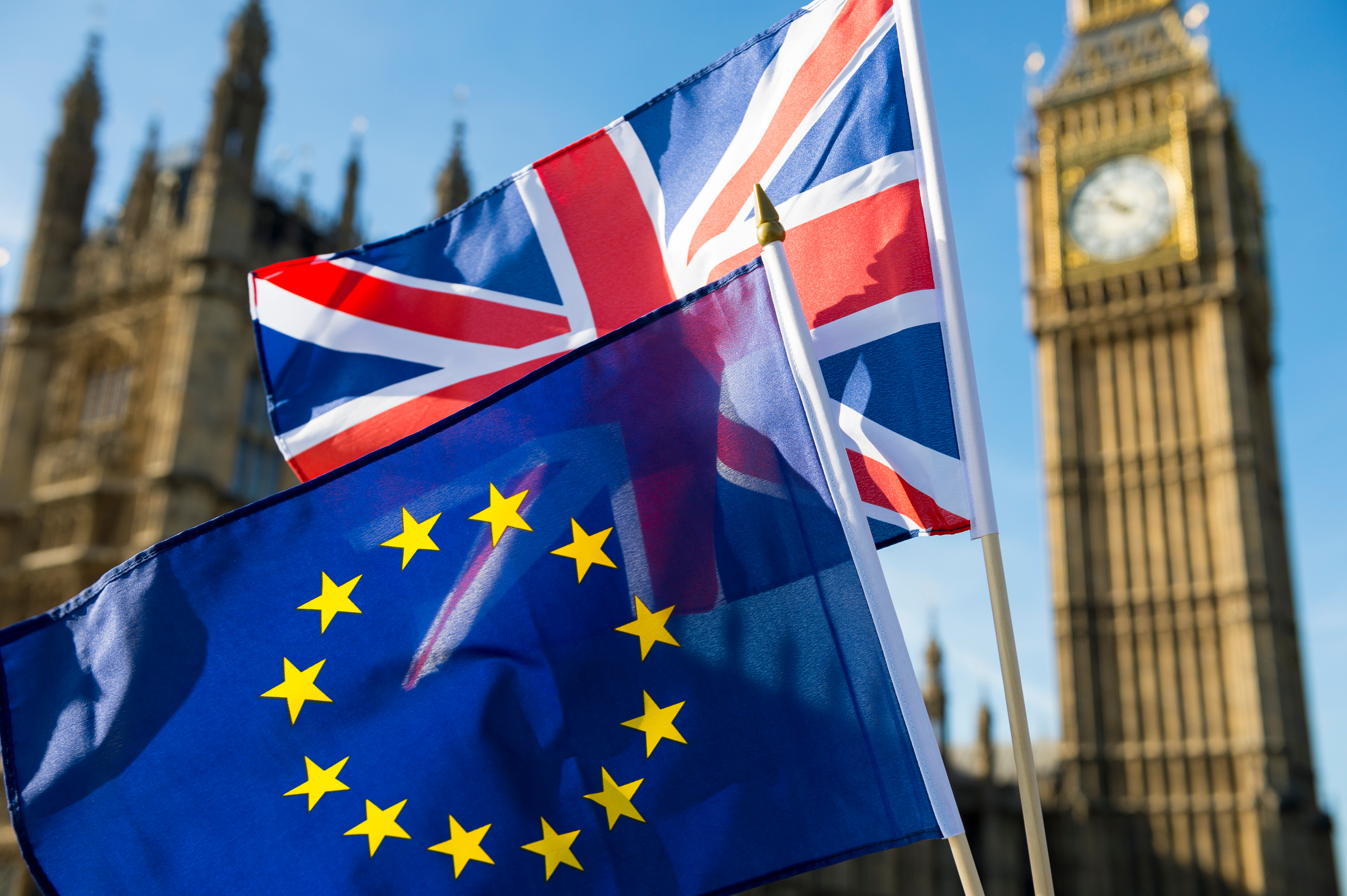
Brexit refers to the British Exit from the European Union (EU). A referendum (a form of direct democracy where the people directly vote on a certain matter) was held in June 2016 where the question was: Should the United Kingdom remain a member of the European Union or leave the European Union? 51.89% voted to leave and 48.11% voted to stay. The UK formally left the EU on 31 January 2020. The transition period kept many EU rules in place until 31st December 2020 when the transition period officially ended.
People wanted to ‘take back control’. This is because the people believed that the fundamental principles that decisions about the UK should be within the UK by British lawmakers rather than EU institutions like the European Commission.
Furthermore, Supporters wanted to end the supremacy of EU law and restore independence over domestic policies, trade, and regulations. Leave campaigners also argued that leaving the EU would allow the UK to set its own immigration rules and reduce pressure on public services such as the NHS.
Advantages of leaving:
- Parliamentary & Legal Sovereignty: The UK restored greater control over its laws with, the UK Parliament and courts no longer being subject to the general supremacy of EU law. This meant that the UK could make more independent legal decisions without being bound by the jurisdiction of the European Court of Justice in the same way as before.
- Independent Trade Policy: The UK gained the ability to negotiate autonomous free-trade agreements independently of the EU, signing deals with countries and blocs such as Australia, New Zealand, Japan, and the CPTPP.
- Borders & Immigration Control: Freedom of movement with the EU ended, allowing the government to implement a points-based immigration system and screen non-UK arrivals under domestic rules.
- Regulatory & Tax Autonomy: The UK established its own tariff schedules, cut or adjusted VAT on specific items such as removing VAT on sanitary products and solar panels and gained ability to make regulatory changes independently of EU requirements.
- End of Net Budget Contributions: Direct multi-billion-pound regular payments to the EU budget were terminated, redirecting fiscal discretion domestically. This gave the government greater control over how public money could be allocated domestically, although the UK also lost access to some EU funding programmes.
Disadvantages of leaving:
- Non-Tariff Barriers & Trade Friction: Leaving the EU single market and customs union introduced customs declarations, regulatory checks, and paperwork that increased costs and slowed trade for UK exporters.
- Cumulative Economic Drag: Studies tracked by UK in a Changing Europe and summarised via BBC News indicate that Brexit has made the UK economy smaller and less productive than it would have been inside the EU, with long-term GDP impacts estimated between 4% and 6%.
- Shift in Immigration Dynamics: While EU migration dropped following the end of free movement, total net and gross migration reached record highs driven by non-EU work and student visas, contradicting initial political promises of lower overall numbers.
- Loss of Institutional Influence: The UK gave up its formal seat and voting power in EU decision-making bodies in Brussels, reducing its direct diplomatic leverage over continental single-market rules that still affect British goods exported abroad.
- Political & Social Polarization: Brexit triggered sustained domestic political instability, contributed to high public scepticism or regret in subsequent polling, and created ongoing friction regarding Northern Ireland trade arrangements.
Many voters appear to have concluded that Brexit has not worked out well. In polling conducted this April, Ipsos found that over half (51%) believe that it has been ‘more of a failure’ while only one in eight (13%) believe it has been ‘more of a success’.
More specifically, YouGov polling in January 2025 reported that, on two of the key issues in the referendum campaign, the economy (65%) and immigration (52%) Brexit is now believed to have had a negative impact. In the case of immigration, that perception is just as common among those who voted Leave in 2016 as it is among those who voted Remain, while even in the case of the economy over two in five (43%) Leave voters believe it has been negatively impacted.