By Chloe Simone, Ava Rosenthal and Megu Mizuno
It starts with a night filled with booms of thunder, with lightning shocking the night sky and sheets of rain pouring down. Then, somehow, we are plunged into a scorching midday heat of 38 degrees.
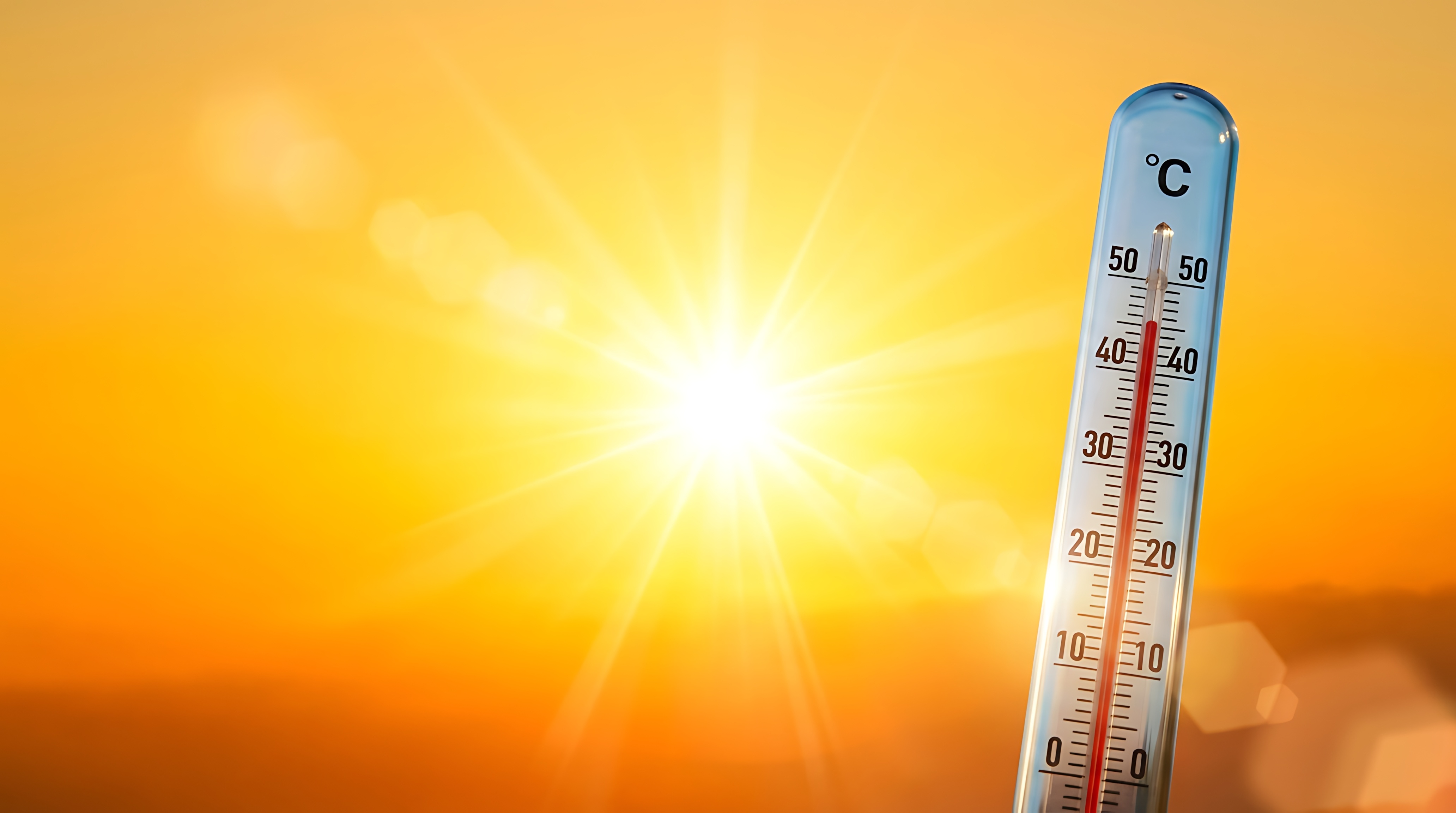
Last week’s temperature was pushing 40 degrees, threatening to break the record for the hottest week of June. Red alerts were sent warning people to stay safe and hydrated, hundreds of schools were cancelled or had their school day halved trying to escape the peak heat of the day.
Being a student myself, my peers and I have been feeling the struggles of the heat, immensely. A large classroom that felt spacious only a week before, then felt small, confined and humid with pupils desperately clinging to their fans.
However it’s wasn’t only us who were affected, but also the teachers who were struggling to grasp the attention of their pupils and teach them a simple 50 minute lesson. Events were cancelled, as were Sports Day and a trip to watch the hockey at Lee Valley Park. This left many gloomy and disappointed. The week’s extreme weather had done more than just irritate us, it left us with the burning question: how did this happen?
This heatwave in the UK was caused by a ‘heat dome’ – a static area of high pressure covering part of Europe. This high pressure causes air to travel down the atmosphere, and it compresses as it does this, making the air much hotter. This sinking air also prevents clouds from forming in the sky, meaning that sunlight is able to directly hit the ground, heating it even more.
It also appears that airflow from the south-east was reaching the UK, bringing very hot and humid air to our country. This humidity, in particular, is what is making the heat seem so unbearable – it stops our sweat from evaporating which is the body’s natural cooling method. The heat wave is also likely responsible for the intense storm that the UK had experienced.
Thunderstorms are created by instability in the atmosphere and humidity. To create an unstable atmosphere, you need the earth’s surface to heat which will create this effect: the hot air from the earth’s surface rises to the cold atmosphere high up, creating the instability in the atmosphere that causes the thunderstorms.
The high humidity of this particular heat wave also helped to create the conditions for a storm as humid air condenses into clouds. So, storms often naturally follow heat causing the topsy-turvy weather we have been experiencing. Climate change also continues to make heat waves hotter and therefore storms more likely.
School teachers and staff did their best to manage the crisis. Teachers have been continuously reminding us to stay in the shade, drink plenty of water, and avoid heat exhaustion during school hours.
This extreme week is a clear sign of our changing planet. Climate change is making heatwaves hotter, longer, and much more frequent. These high temperatures can make sudden, dramatic thunderstorms more likely. As global temperatures rise, hot summers over 30 degrees are starting to become a normal summer experience.
In the end, last week has shown us how much extreme weather can disrupt our daily lives. It is important to look out for each other, taking a moment to check on vulnerable children, elderly residents, and anyone who might be suffering in the heat. It is important to stay safe, keep hydrated, and help everyone to get through the warming world.