By Melita Jose
Where does the hantavirus originate?
According to the National Institutes of Health (NIH), the first known cases of hantavirus infection were recorded among United Nations troops during the Korean War from (1951-1954). The virus was officially identified in 1978 by Ho-Wang Lee, who isolated it from striped field mice near the Hantan River in South Korea and named it Hantaan virus. In 1993, an outbreak in the Four Corners region of the United States led to the discovery of Hantavirus Pulmonary Syndrome (HPS).
The first case of hantavirus and the responses
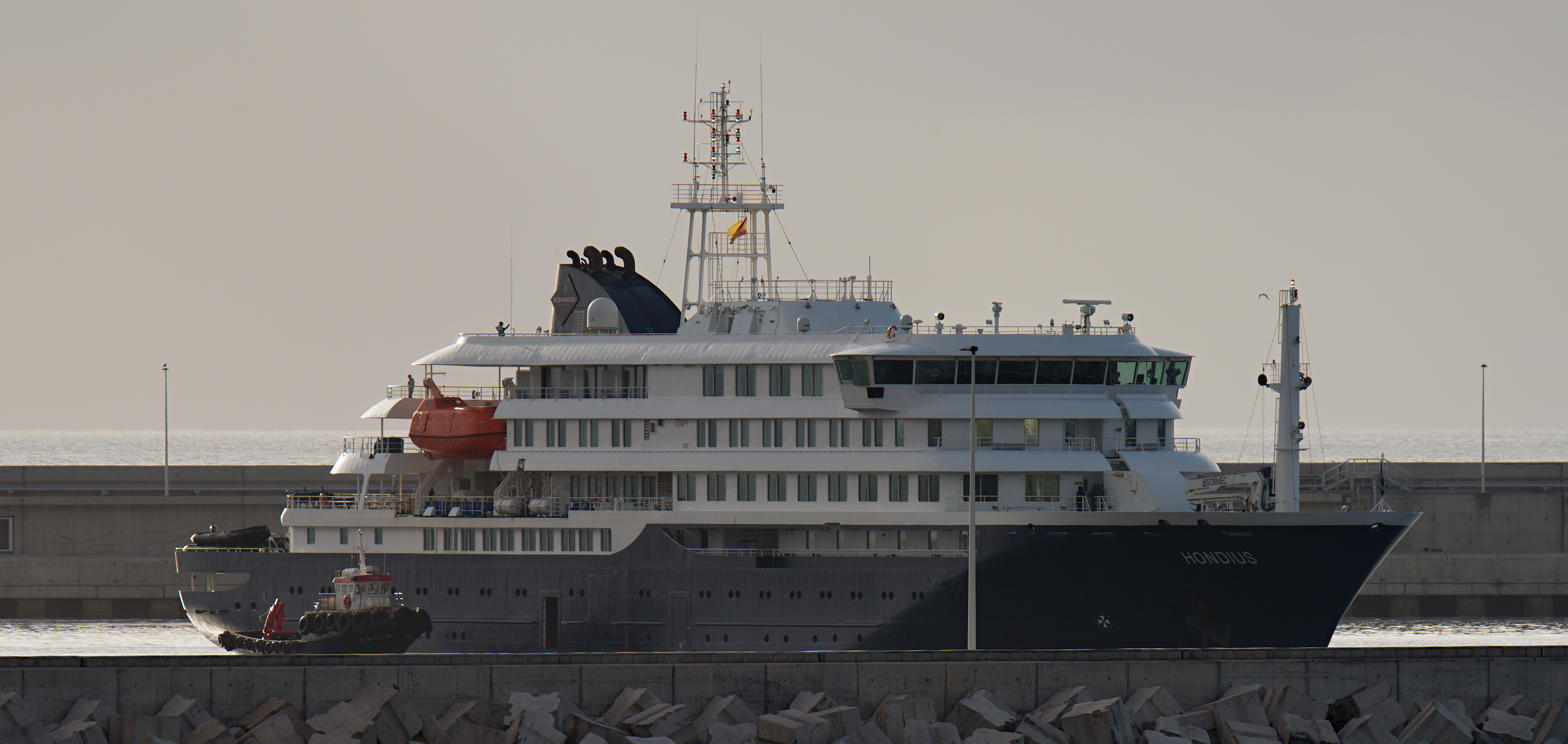
The MV Hondius operated by Oceanwide Expeditions departed Ushuaia, a port city in Argentina, with 114 passengers and 61 crew members on a premium bird-watching and Antarctic expedition on April 1st, 2026. Ornithologist Leo Schilperoord, a 70-year-old Dutch man, has been considered most likely to be “patient zero”, otherwise known as the first person infected in an outbreak, after he fell ill on April 6th and died soon after on 11th April. His 69-year-old wife Mirjam Schilperoord left St Helena on 24th April with plans to return home; however, she immediately succumbed to illness, and within mere days she died in a South African hospital on 26th April after her condition worsened. Less than a week later, a third passenger, a German woman, died aboard the ship on 2nd May.
As news began spreading like wildfire, Cape Verde, a country in the African continent, denied the ship access to dock in early May. Meaning the ship and its passengers were forced to remain in isolation out at sea, while they awaited the outcome of international coordination.
Eventually, the World Health Organisation sent an expert on board to assess the situation, and to much relief, the virus was of low global risk, as hantavirus does not spread as easily as the likes of COVID-19.
After careful deliberation, on the 10th of May, Tenerife, one of the Spanish Canary Islands, agreed to let the ship dock. However, the passengers were transferred in protective gear straight from the boat onto military buses, from which they were then sent onto isolated flights back to their home countries. There were 147 passengers and crew from 23 different countries including the UK. Due to the virus’ long incubation period which can last up to 6 – 8 weeks, health organizations like the UK Health Security Agency and Canadian health authorities have placed individuals under strict 42-45 day monitoring and isolation protocols to avoid contagion. Several out of the remaining 147 returnees tested positive upon arriving home including passengers from France, Spain, the US and Vancouver Island, Canada.
Why is the story fraught with such widespread fear?
Hantavirus is a virus primarily carried and transmitted by rodents such as mice and rats. The most common way to catch the virus is by inhaling particles from infected rodents’ urine, dropping or saliva for example when sweeping barns or attics. However, in rarer cases akin to the one aboard the MV Hondius, the virus can be spread through human contact. This specific but widely less common strain of hantavirus is known as the Andes Virus.
Now the reason behind such global panic is the fact that as of now, there is no known vaccine available for those infected. Yet despite this, the virus is not a death sentence itself, with many survivors living to tell the tale. Unfortunately, when a Canadian man Lorne Warburton found himself infected with the virus in March 2023, he described it as having “Covid-type symptoms”, with the sickness much like “torture” and “hell on earth”. He later said to the BBC that he considered himself lucky to be alive. Public health experts have said that the virus kills about a third of the people it infects, and if it were to become a pandemic, the results would be catastrophic.
When this is all taken into consideration, people are rightly justified in their fear of the outbreak, with many worried this could be like another deadly virus which left mass destruction in its wake just over 6 years ago. Nonetheless, the chances of hantavirus adapting into another global pandemic is highly unlikely, as it does not possess the biological traits required to spark a global crisis of such immense scale. Consequently, there truly is no reason to fear what could become of the outbreak, as vast precautions have been taken to prevent another pandemic, the likes of which I’m sure none would like to relive in their lifetime.