By Ruth Perkins
A historic medical moment
On the 4th of March, Paul Buxton became the UK’s first patient of remote robot telesurgery. He was treated in St Bernard’s Hospital in Gibraltar by world-leading urological surgeon Professor Prokar Dasgupta, who performed the surgery through a robot at The London Clinic, 2,400 km away. Mr Buxton underwent a successful prostatectomy (a surgical removal of part or all of the prostate gland, often used to treat prostate cancer), creating a monumental moment in medical history.
But what are the advantages and disadvantages of remote robot telesurgery?
By allowing surgeries to be performed from different countries, people can have access to the world’s best surgeons, enabling them to get highly specialised treatment (medical care focused on a specific condition) with a higher success rate. This is particularly important in countries or areas that lack medical treatment, as well as for people who may not be able to travel long distances to receive their care.
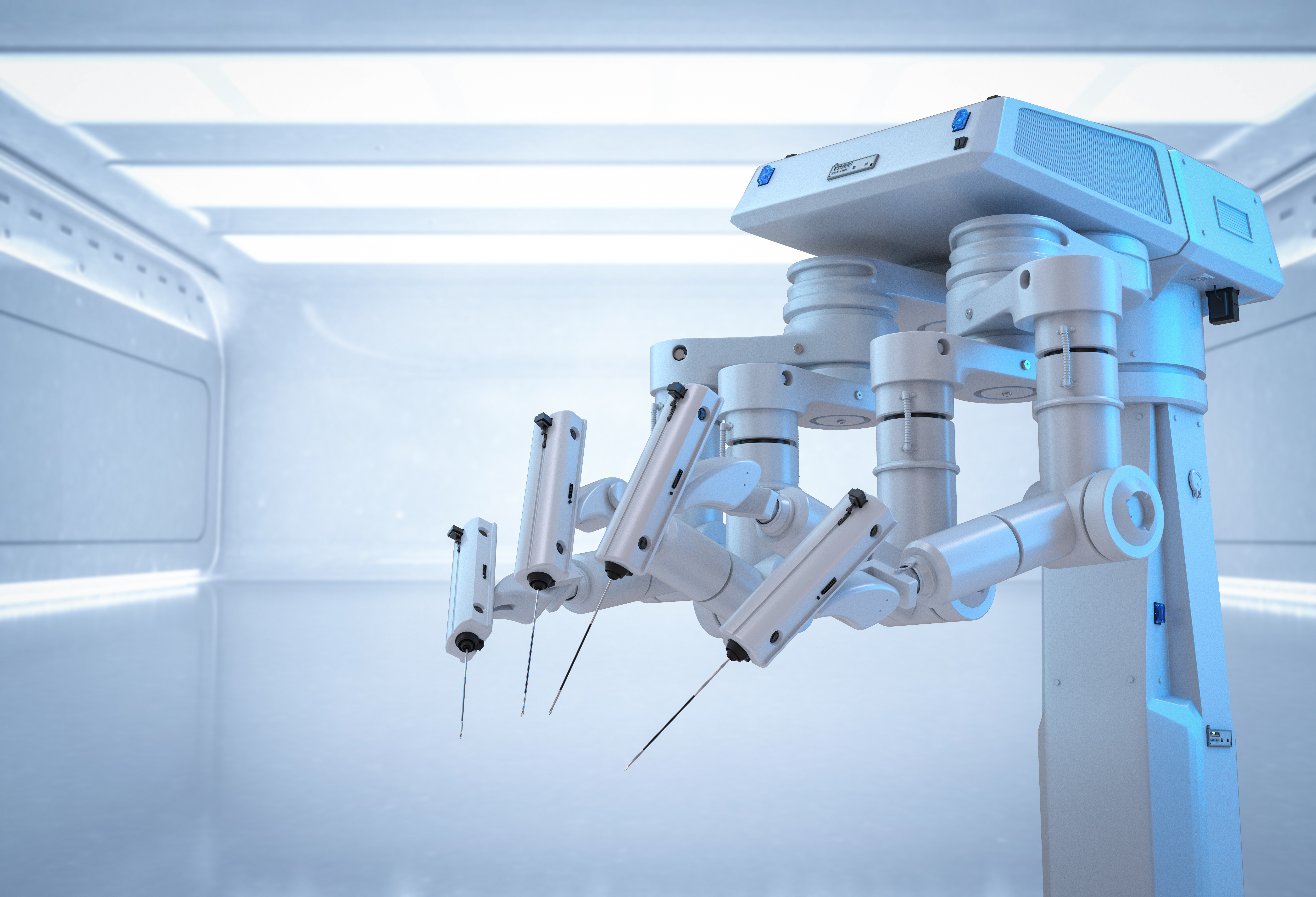
Robotic surgery also offers a multitude of benefits for the quality and ease of the surgery. The surgeon is able to see the operation on a highly magnified scale through a console (a control station used to operate the robot), allowing for better precision. As a result of this, less damage is done to the surrounding tissue. Furthermore, with robotic arms instead of hands, the surgeon can move more freely in a confined space due to the arms’ ability to rotate 360 degrees.
The disadvantages of robotic surgery
There are, however, disadvantages to robotic surgery. The set-up of these robotic systems is extremely expensive, costing over $1,000,000 to buy along with yearly maintenance costing over $100,000. The staff able to work through the robotic systems is also limited as it requires specific training. This means that both the hospital and the patients (in some countries) are paying significantly more for their surgeries.
In addition, there is a risk of technical malfunction which could cause serious damage or even death. Furthermore, network problems pose a risk. Connection could lag or cut off, leaving the patient temporarily unattended. As of now, all remote robot telesurgeries are overseen by a team of surgeons to step in in such cases, but it is possible that surgeries will be less monitored as remote surgeries become more common.
What does the future of remote robot telesurgery look like?
We can expect to see technology further assist surgeries. This could involve the inclusion of haptic feedback (technology that allows the surgeon to feel pressure or movement through the robot), which would allow the surgeon to feel the pressure being applied and the consistency of tissue, improving the safety and speed of the surgery.
AI may begin to play a role in assisting decision making, but is it possible that AI will be able to control surgeries entirely? For now, it seems that remote robot telesurgery is a powerful tool in the hands of experts, but we should be wary about removing human expertise and oversight altogether.