By Aline Vandergoten Pelayo
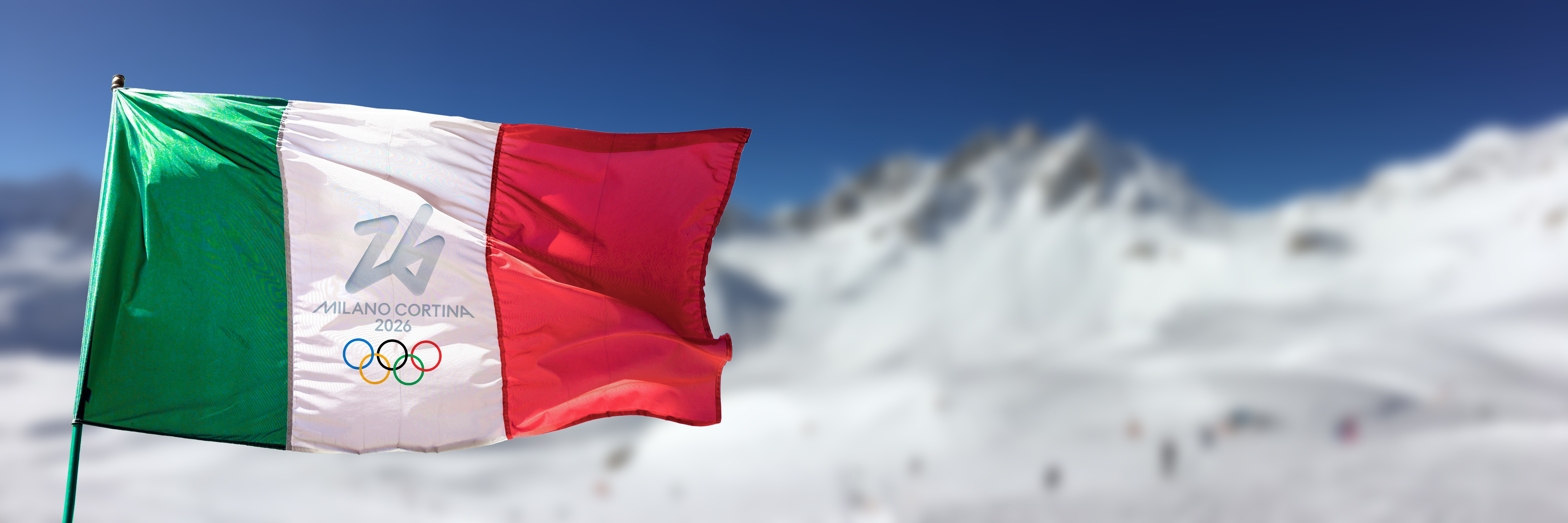
Around 2,900 athletes competed from 96 countries in this year’s Winter Olympics held in Milano Cortina in 16 Olympic disciplines and there were over 1.3 million spectator tickets sold. Milano Cortina has set new expectations for gender equality in sports, having 47% of all athlete quota places female, the highest proportion in Winter Olympics history.
However, the International Olympic Committee (IOC) excluded Women’s Nordic Combined (cross-country skiing and ski jumping) from the 2026 Olympics due to “low viewership and low participation”. It is the only sport at the games that excludes women. Annika Malacinski is sidelined while she watches her brother, Niklas, compete. She says “It’s not just me fighting for women, it is me fighting for the sport” in support of some protests such as drawing on beards in 2023 World Championships and putting up their poles in a cross shape that links to the #noeXceptions campaign on social media.
The opening ceremony on the 6th of February featured performances from singers and actors, and for the first time in Olympic history, there are two Olympic cauldrons in Milano and Cortina, being lit in synchronisation and lasting for the duration of the games. They pay homage to the sun and Olympic flame in Greece that symbolise “life, energy and renewal”. The torch relay began in Nogara and covered around 12,000 kilometers in 63 days. Leading actors Hudson Williams and Connor Storrie from hit TV show ‘Heated Rivalry’ took part in the torch bearing on the 6th of February. The series represents the LGBTQ+ community with gay hockey players that relate to these Olympics as Milano Cortina continues its inclusive reputation.
The sustainability record of Milano Cortina was less positive. The IOC states that they are using recyclable cutlery with low carbon transport plans and 85% of the venues being used already existed or are temporary. However, the majority of these venues, like the bobsleigh track, required an entire forest to be cut down, and rivers were drained to make the necessary artificial snow. In total, 37 acres of natural land were destroyed for two weeks of games. Temperatures in Cortina have risen by 3.6C since the 20 years prior when Italy last hosted the Olympics, and yet the Italian government waived the requirement for 60% of building projects to need Environmental Impact Assessments despite the Olympic site being on a UNESCO (United Nations Educational, Scientific and Cultural Organization) world heritage site and one of the most fragile ecosystems in the world. WWF (World Wide Fund for Nature) Italia walked out of the planning process for more sustainable Games after the organisers did not seem to focus on environmental effects.
13 Olympic records were broken and 1 world record broken, set by Johannes Høsflot Klæbo, Norway’s king of cross-country skiing, who won gold in all six cross-country events. In the 50km mass start classic, the podium consisted of three Norwegians, counting towards Norway’s additional victory in the medal table, with 41 medals. Closely behind are the USA with 33 medals and the Netherlands with 20 medals. Great Britain lies in 15th place with 5 medals.
There were many favourites leading up to the games, particularly in figure skating. American figure skaters Alysa Liu and Ilia Malinin (the ‘quad god’) have gone viral on social media platforms and have brought substantial attention to the discipline. Alysa Liu completed the games with two gold medals to her name, from the team event and the women’s individual singles event, with a goal to raise awareness for mental health, the reason that she retired from figure skating in 2022 at 16 years old, but has returned to the sport on her own terms. She skates with ‘halo hair’ in a loose ponytail that contrasts with the traditional slick styles of skating, a frenulum piercing and a gold dress. She is a role model for young women as she advocates for body positivity in the sport “No one’s gonna starve me or tell me what I can and can’t eat” in an interview.
Ilia Malinin similarly showcased his struggles with mental health during the traditional exhibition gala, skating to ‘Fear’ in what the Guardian called a “cathartic” performance. He initially won the short program but succumbed to nerves in his free skate that left him in 8th place, replacing a quad axel with a single and falling twice. The gold instead went to the Kazakhstani Mikhail Shaidorov.
Another Olympic favourite to win the skiing events, was Eileen Gu who represented China. She won two silver medals in the slopestyle and Big Air, and on Sunday won a gold medal in the half pipe with a high score of 94. The women’s skiing halfpipe highlighted many powerful skiers, Great Britain’s Zoe Atkins won bronze that follows in her sister’s footsteps, and the 16-year-old Australian Indra Brown “outlines why she is a future Olympic medal contender” when she won 5th place.
Great Britain won a historic gold medal in the mixed team snowboarding cross event by Charlotte Banks and Huw Nightingale. Banks overtook the French woman, Léa Casta, in the last stretch of the final, despite having started after her, with her trademark speed on the curves to pass her competitors. A further British success came from Matt Weston, who became the nation’s first two-time Olympic champion in skeleton, contributing not only to the country’s medal count, but also to its national pride.
The long-awaited final for men’s curling between Canada and Great Britain concluded with Canada winning 9-6. The GB team of Bruce Mouat, Grant Hardie, Bobby Lammie and Hammy McMillan were heartbroken after being unable to beat their performance at Beijing in 2022 when they also lost in the finals. Switzerland won against Norway in the bronze medal game the day before.
The Paralympic Games will take place from 6 to 15 March, and we can expect great things from those athletes next month, but the closing ceremony on the 22nd of February took place at the Verona Arena built in 30 AD and is regarded as the best-preserved amphitheatre in the world. The show was created by Filmmaster and honoured Italian culture. The flagbearers for Great Britain were Banks and Nightengale, the gold medalist snowboarders. The ceremony included a mixture of opera, music, dance and most importantly, a celebration of the athletes and the tradition of the Olympics from Greece. The extinguishing of the flame marked the end of the Milano Cortina 2026 Olympic Era until the next winter Olympic games in the French Alps in 2030. This has been one for the history books for sure.